
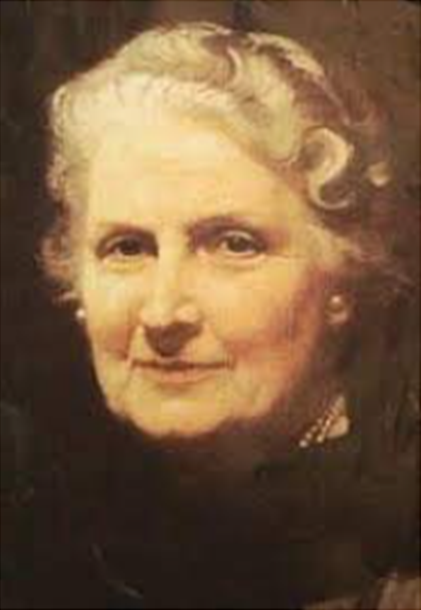
The Montessori Method is built upon extensive periods of careful observation and research conducted by Dr. Maria Montessori, an Italian physician, educator, and innovator. Her educational approach focuses on facilitating children’s natural learning process. Through her patient observations of children, she recognized that they absorb knowledge from their surroundings, essentially teaching themselves. Consequently, she emphasized that our role as educators and guides is to support children in unfolding their maximum potential, rather than acting as traditional teachers.
By combining scientific observation and her wealth of experience working with children, Dr. Maria Montessori developed distinctive learning materials and activities that continue to be employed in Montessori classrooms to this day. These resources aim to nurture children’s innate joy and curiosity for learning. On January 6, 1907, the first Montessori school, known as Casa dei Bambini, in Rome was inaugurated by Dr. Maria Montessori. Her unwavering determination was to establish Casa as an exceptional educational environment where young minds could explore, discover, and thrive.
In our Montessori school, meticulous planning goes into creating an environment that enables children to engage in exploration and discover their own capabilities. Whether it’s mastering the skill of tying their shoelaces independently, effectively communicating their needs, or working on mathematical equations, each activity is thoughtfully designed to align with the developmental stage of the child. The aim is to foster a sense of joyful learning.
The Montessori methodology prioritizes hands-on experiences, self-paced learning, collaboration, and a sense of joy. Within a Montessori environment, children are encouraged to pursue their own interests and passions, empowering them with the freedom to make spontaneous choices. This approach cultivates qualities such as self-discipline, independence, and responsibility, ultimately shaping them into resilient individuals.